Hospital operating theatres are among the most complex and technically demanding spaces in modern healthcare facilities. They demand stringent infection control measures, sophisticated airflow systems, seamless medical equipment integration, and adherence to global healthcare standards.
However, constructing or renovating an operating theatre is often a major challenge for hospitals, EPC contractors, and healthcare developers. Traditional construction methods can lead to delays, contamination risks, high costs, and operational disruption.
To address these challenges, many healthcare facilities are adopting modular operating theatre systems as a more efficient and intelligent solution.
In this article, we explore the key challenges in hospital operating theatre construction and explain how modular systems help solve them.
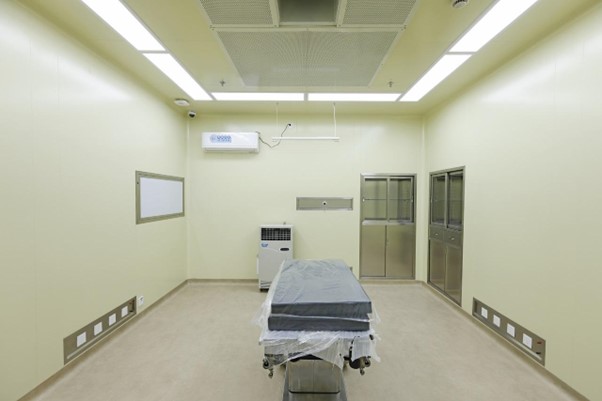
Complexity of Operating Theatre Construction
Unlike ordinary building spaces, operating theatres require highly controlled environments to ensure patient safety and surgical efficiency.
A modern OT must integrate multiple systems, including:
- HVAC and laminar airflow systems
- Medical gas pipeline systems
- Electrical infrastructure
- Infection control surfaces
- Surgical lighting
- Ceiling-mounted pendants
- Digital control systems
Coordinating these systems using conventional construction methods is often difficult and time-consuming.
Challenge 1: Infection Control During Construction
One of the biggest challenges in operating theatre construction is maintaining hygiene and preventing contamination.
Traditional construction methods often generate:
- Dust
- Debris
- Airborne particles
- Noise pollution
These contaminants can affect nearby clinical areas and create serious infection risks within active hospital environments.
How Modular Systems Solve This
Modular operating theatre systems are manufactured in controlled factory environments before installation.
This approach reduces:
- On-site cutting and welding
- Dust generation
- Construction contamination
- Exposure to airborne particles
Additionally, modular OT systems use:
- Seamless antibacterial wall panels
- Airtight structures
- Flush-mounted components
- HEPA filtration systems
to create highly sterile surgical environments.
Challenge 2: Long Construction Timelines
Conventional operating theatre construction projects frequently face delays due to:
- Weather conditions
- Labor shortages
- Material delivery problems
- Coordination issues between contractors
- On-site construction complexity
Extended construction timelines can delay hospital operations and increase project costs.
How Modular Systems Solve This
Prefabricated modular systems significantly reduce construction time because major components are manufactured in advance.
Benefits include:
- Faster installation
- Simplified assembly
- Reduced on-site labor
- Shorter project schedules
Hospitals can complete OT projects much faster and resume surgical services sooner.
Challenge 3: Operational Disruption in Hospitals
Many operating theatre projects involve renovation or expansion within active hospitals.
Traditional construction can cause:
- Noise disruption
- Temporary OT shutdowns
- Workflow interruptions
- Reduced patient capacity
These disruptions may affect hospital efficiency and revenue.
How Modular Systems Solve This
Modular OT systems minimize operational disruption because they require less on-site construction work.
Their fast and clean installation process allows hospitals to:
- Reduce downtime
- Continue nearby medical operations
- Maintain surgical schedules more effectively
This is especially valuable for busy hospitals with limited surgical capacity.
Challenge 4: Maintaining Cleanroom Standards
Operating theatres must comply with strict cleanroom and infection control standards.
Poor construction quality may lead to:
- Air leakage
- Improper airflow
- Surface contamination
- Pressure imbalance
which can compromise patient safety.
How Modular Systems Solve This
Modular operating theatres are specifically designed for cleanroom performance.
Features include:
- Airtight wall systems
- Controlled airflow design
- Laminar airflow ceilings
- HEPA filtration
- Smooth hygienic surfaces
Factory-controlled manufacturing also improves precision and quality consistency.
Challenge 5: Coordination of Multiple Engineering Systems
Operating theatres require complex coordination between:
- HVAC engineers
- Medical gas specialists
- Electrical contractors
- Cleanroom designers
- Medical equipment suppliers
Traditional construction often creates communication and coordination challenges between different contractors.
How Modular Systems Solve This
Many modular OT suppliers provide turnkey solutions that integrate:
- Design
- Manufacturing
- Engineering
- Installation
- Commissioning
This centralized approach improves project coordination and reduces engineering conflicts.
Challenge 6: Future Maintenance and Upgrades
Traditional operating rooms are often difficult and expensive to modify after construction is completed.
Hospitals may face challenges when upgrading:
- Medical equipment
- HVAC systems
- Electrical infrastructure
- Infection control systems
How Modular Systems Solve This
Modular systems are built to support flexibility and accommodate future expansion.
Benefits include:
- Replaceable wall panels
- Easier access to technical systems
- Simplified upgrades
- Lower maintenance costs
Hospitals can adapt operating theatres to future technologies more efficiently.
Challenge 7: Cost Control and Budget Management
Hospital operating theatre projects often exceed budgets due to:
- Construction delays
- Rework
- Design modifications
- Poor coordination
- Unexpected site conditions
How Modular Systems Solve This
Prefabricated systems improve cost predictability because manufacturing is standardized and controlled.
Modular construction helps reduce:
- Material waste
- Labor costs
- Project delays
- Rework risks
This allows hospitals to better manage project budgets and timelines.