Lighting is one of the easiest ways to influence the atmosphere of a home.
A room can have beautiful furniture, carefully selected colours, and attractive décor, but if the lighting is too harsh or poorly positioned, the space may still feel uncomfortable.
Modern interior design increasingly treats lighting as part of the overall décor rather than simply a practical necessity. This has led homeowners to explore fixtures made from materials that add warmth and character.
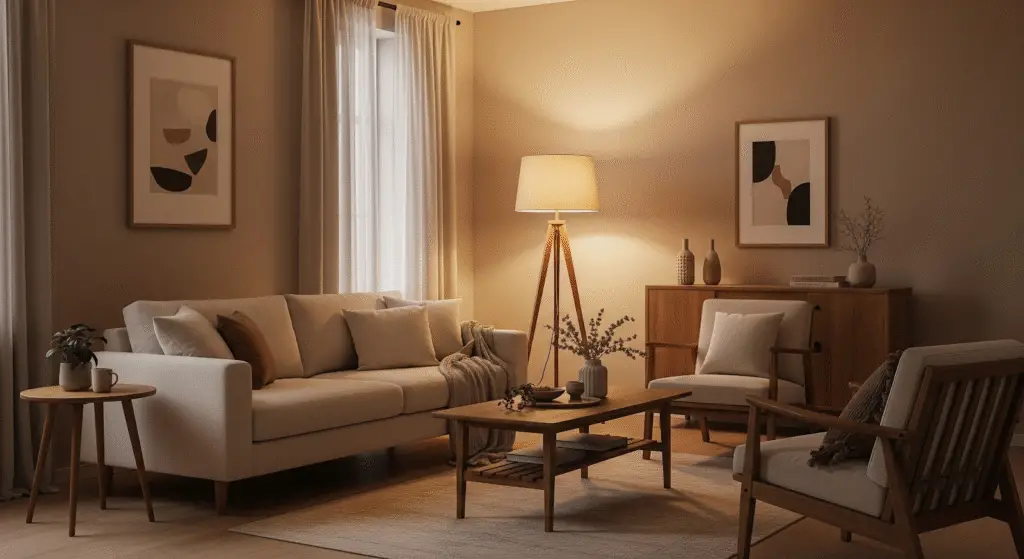
One of the most versatile options is wooden lighting.
Wooden fixtures combine natural texture with contemporary design, making them suitable for living rooms, bedrooms, dining areas, hallways, and home offices.
Why Natural Wood Makes Lighting More Interesting
Wood has a visual quality that feels warm and familiar.
Unlike plastic or painted metal, natural timber contains visible grain patterns, subtle colour changes, and small variations that give each piece a distinctive appearance.
This makes wood especially useful in modern interiors where the overall design may otherwise feel very clean and minimal.
Wooden lighting can help soften spaces that contain:
- White walls
- Concrete surfaces
- Glass furniture
- Metal fittings
- Neutral fabrics
- Minimal decoration
Even a single wooden light fixture can introduce enough texture to make the room feel more balanced.
Create a Strong Focal Point with Pendant Lighting
Pendant lights are ideal when you want the fixture itself to become part of the design.
Because they hang below the ceiling, they naturally attract attention and can help define a particular area within a room.
They are particularly effective above:
- Dining tables
- Kitchen islands
- Breakfast counters
- Staircases
- Entryways
- Reading spaces
A wooden pendant can introduce warmth while still maintaining a modern appearance.
Simple geometric designs work well in minimalist spaces, while more sculptural wooden fixtures can become statement pieces in larger rooms.
For homeowners who prefer natural materials and handcrafted details, collections of wooden lighting designs can provide inspiration for different rooms and interior styles.
Use Table Lamps to Create Softer Corners
Table lamps are one of the easiest ways to make a room feel more comfortable.
Instead of relying entirely on overhead lighting, smaller lamps create local areas of illumination.
This works particularly well in the evening when bright ceiling lights may feel unnecessary.
Wooden table lamps can be placed on:
- Bedside tables
- Console tables
- Study desks
- Sideboards
- Bookshelves
- Side tables
They can also serve as decorative objects during the daytime.
The natural texture of wood allows the lamp to blend easily with plants, books, ceramics, fabrics, and other decorative elements.
Improve Bedroom Lighting with Wall-Mounted Fixtures
Bedrooms often benefit from softer, lower-level lighting.
Wall-mounted fixtures can be especially useful because they provide illumination without taking up space on bedside tables.
A pair of wooden wall lights can create symmetry on either side of a bed while introducing natural texture into the room.
Wall lights also work well in:
- Small bedrooms
- Hallways
- Reading corners
- Staircases
- Home offices
Their compact design makes them suitable for spaces where floor or table lamps may not be practical.
Make Living Rooms Feel Warmer with Floor Lamps
Living rooms usually need more than one light source.
A single ceiling fixture may provide enough brightness, but it often creates a flat and less comfortable atmosphere.
Floor lamps can help add depth.
Placed beside a sofa or armchair, they create a smaller area of light that is ideal for reading or relaxing.
Wooden floor lamps also add vertical interest to a room.
They can help fill empty corners without introducing bulky furniture and can work especially well beside:
- Sofas
- Reading chairs
- Large plants
- Bookshelves
- Console units
When combined with warm-coloured bulbs, they can make the room feel considerably more inviting.
Combine Different Types of Lighting
Good interior lighting usually involves several layers.
Instead of expecting one fixture to perform every function, different lights can be used for different purposes.
Ambient Lighting
Ambient lighting provides general illumination for the room.
Ceiling fixtures and pendant lights often serve this role.
Task Lighting
Task lighting provides focused brightness for activities such as reading, cooking, studying, or working.
Desk lamps, bedside lights, and reading lamps are common examples.
Accent Lighting
Accent lighting is mainly decorative.
It can highlight artwork, architectural details, shelving, or textured walls.
Combining all three types creates a more flexible and visually interesting environment.
Match Wooden Lighting with Neutral Colours
Wood works particularly well with neutral interior colours.
Popular combinations include:
- Wood and white
- Wood and beige
- Wood and cream
- Wood and grey
- Wood and soft green
- Wood and earthy brown tones
These combinations allow the natural grain of the timber to become visible without creating excessive contrast.
Light wood tends to create a fresh and airy appearance, while darker timber can make a room feel more dramatic and sophisticated.
Combine Wood with Other Natural Materials
Wooden lighting becomes even more effective when it is paired with other natural materials.
For example, a wooden floor lamp may look particularly attractive beside a linen chair and a wool rug.
Other useful materials include:
- Rattan
- Cotton
- Stone
- Clay
- Bamboo
- Natural fabrics
These textures help create interiors that feel layered rather than overly polished.
The materials do not need to match exactly. Slight variation usually makes the room feel more natural.
Add Plants for a More Organic Interior
Indoor plants are another easy way to complement wooden lighting.
Wood and greenery naturally work well together because both bring organic colours and textures into a room.
A tall floor lamp placed beside a large plant can turn an empty corner into a decorative feature.
Smaller plants can also be positioned near wooden table lamps or shelving.
This combination works particularly well in modern, Scandinavian, and biophilic interiors.
Choose the Right Bulb Temperature
The bulb inside the fixture can dramatically affect the final appearance.
Warm white light tends to enhance the natural brown and golden tones in timber.
This makes it particularly suitable for:
- Living rooms
- Bedrooms
- Dining spaces
- Lounges
- Relaxation areas
Cooler white lighting may be more useful in kitchens or home offices where brightness and visibility are more important.
Dimmable bulbs can provide greater flexibility, allowing the same fixture to create brighter task lighting during the day and softer ambient lighting at night.
Consider Scale Before Choosing a Fixture
One of the most common mistakes when choosing lighting is ignoring scale.
A fixture that looks attractive in a photograph may appear too large or too small once installed.
For pendant lights, consider the size of the table or kitchen island below them.
For floor lamps, consider ceiling height and surrounding furniture.
Wall lights should also be positioned carefully so that they provide useful illumination without creating glare.
Choosing the correct proportions helps the fixture feel integrated into the interior.
Use Wood to Add Character to Minimalist Rooms
Minimalist interiors can look elegant, but they sometimes need a small amount of texture to avoid feeling too plain.
Wooden lighting is useful because it adds interest without requiring lots of decoration.
A single sculptural wooden pendant can become the main feature of a simple dining room.
Likewise, a wooden lamp on a clean bedside table can introduce warmth without cluttering the space.
This makes wooden lighting particularly suitable for homeowners who prefer simple interiors but still want them to feel comfortable and personal.
Appreciate the Individuality of Handcrafted Pieces
Natural wood already varies from piece to piece, and handcrafted products can make those differences even more noticeable.
Grain direction, texture, and small colour variations can give each fixture its own character.
This individuality is one of the reasons handmade products can feel more personal than completely uniform mass-produced décor.
For homeowners interested in craftsmanship, wooden lighting can therefore serve as more than just a source of illumination.
It can also become a decorative feature with a stronger sense of material and detail.
Keep the Overall Interior Balanced
Lighting should support the design of a room rather than overwhelm it.
If the furniture and décor are already highly detailed, simple wooden lighting may be the best choice.
In a more minimal room, a bold pendant or sculptural lamp can provide the necessary visual interest.
The key is to consider the fixture as part of the entire interior.
Its shape, colour, size, and light output should all work with the surrounding furniture and architecture.
Final Thoughts
Wooden lighting provides a simple way to make modern interiors feel warmer and more inviting.
The natural texture of timber can soften minimalist spaces, while carefully designed fixtures can also become decorative features in their own right.
Pendant lights can define dining and kitchen areas, wall lights can improve smaller spaces, and floor or table lamps can create comfortable areas of softer illumination.
By combining wooden fixtures with warm bulbs, natural fabrics, plants, and neutral colours, homeowners can create interiors that feel contemporary without becoming cold or impersonal.
Thoughtful lighting does more than brighten a room. It helps shape the mood, character, and overall experience of the space.